The global pet industry is entering a new phase where simple functionality is no longer enough. What used to be a market focused on basic needs—feeding, grooming, and safety—has now evolved into a lifestyle-driven industry shaped by technology, design, and emotional connection.
In 2026, pet owners are not just buying products; they are investing in experiences that reflect how they see their pets: as companions, family members, and even extensions of their own lifestyle. This shift is influencing everything from product design to pricing strategies, creating new opportunities for brands, wholesalers, and retailers that are able to adapt quickly.
For businesses operating in the pet supplies space, especially those involved in sourcing, private labeling, or distribution, understanding these emerging trends is critical. The market is becoming more competitive, but also more segmented—meaning there is greater potential for differentiation if you align your product strategy with what consumers actually want.
Instead of chasing low-cost, high-volume products, more buyers are now prioritizing innovation, quality, and brand positioning. This is particularly important for B2B buyers who are looking to build long-term product lines rather than short-term sales.
Let’s take a closer look at the key trends shaping the pet product market in 2026 and how they are influencing purchasing decisions across the supply chain.
Smart pet products are moving into the mainstream
One of the most significant developments in recent years is the rapid adoption of smart pet technology. What was once considered a niche category is now becoming a core segment of the pet product market.These pet product trends 2026 clearly show how smart devices are becoming mainstream.
Devices such as automatic pet feeders, smart water dispensers, GPS trackers, and AI-powered cameras are increasingly common in households. These products are designed to solve real problems—busy schedules, remote monitoring, and the need for more precise pet care.
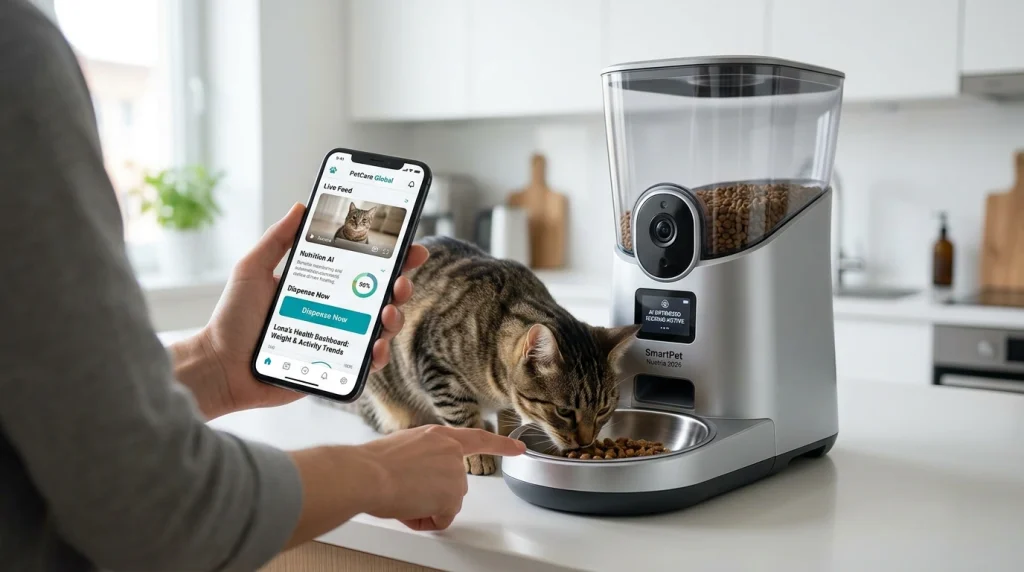
Among these, automatic feeders stand out as a particularly strong growth category. They offer convenience, portion control, and the ability to maintain consistent feeding routines, even when owners are not at home. As more consumers become comfortable with app-connected devices, demand for these products continues to rise.
What’s driving this trend is not just technology itself, but the lifestyle behind it. Modern pet owners expect the same level of convenience and control in pet care as they do in other areas of their lives. Integration with mobile apps, smart home systems, and data tracking features is becoming a key selling point.
From a business perspective, smart pet products offer several advantages. They typically have higher margins, stronger differentiation, and greater perceived value compared to traditional products. However, they also require more reliable manufacturing, quality control, and sometimes software integration, which makes supplier selection even more important.
For B2B buyers, this is an opportunity to move beyond commodity products and enter a segment that is still growing and evolving.
Premiumization driven by pet humanization
Another defining trend in 2026 is the continued rise of pet humanization. As emotional bonds between pets and owners deepen, purchasing behavior is shifting toward higher-quality, more thoughtfully designed products.
Pet owners are no longer satisfied with generic, mass-produced items. Instead, they are looking for products that reflect their personal taste, values, and lifestyle. This has led to a surge in demand for premium pet supplies that combine functionality with aesthetics.
Materials play a key role here. Ceramic, stainless steel, organic fabrics, and non-toxic components are increasingly preferred over cheaper alternatives. At the same time, visual design is becoming just as important as performance. Products that match home interiors or follow minimalist design trends are more likely to stand out in the market.
This trend is especially noticeable in everyday items such as pet bowls, grooming tools, and bedding. What used to be purely functional is now part of a broader lifestyle experience.
For brands and retailers, premiumization opens the door to higher price points and stronger brand identity. Instead of competing in crowded low-end markets, businesses can focus on storytelling, packaging, and design to create perceived value.
Private label buyers, in particular, can benefit from this shift by developing unique product lines tailored to specific market segments. Customization—whether in color, material, or branding—is becoming a key factor in winning customers.
At the same time, this trend also raises expectations. Quality, consistency, and product safety are more important than ever, and buyers are increasingly selective about the manufacturers they work with.
Sustainability is becoming a baseline expectation
Sustainability is no longer a niche preference—it is quickly becoming a baseline expectation across the pet product industry.Sustainability is one of the strongest pet product trends 2026 influencing global sourcing decisions.
Consumers are paying closer attention to what products are made of, how they are packaged, and the overall environmental impact of their purchases. This shift is especially strong among younger demographics, who are more likely to support brands that align with their values.
As a result, eco-friendly pet products are seeing consistent growth. Materials such as bamboo, recycled plastics, and biodegradable alternatives are increasingly used in everyday items. Even traditionally overlooked categories, like pet waste bags or packaging, are now being redesigned with sustainability in mind.
What’s important here is that sustainability is not just about the product itself. Transparency is becoming a key factor. Buyers want to know where materials come from, how products are manufactured, and whether suppliers meet certain environmental standards.
For B2B businesses, this trend presents both a challenge and an opportunity. On one hand, sourcing sustainable materials and ensuring compliance may increase costs. On the other hand, it allows brands to position themselves in a more premium and future-oriented segment of the market.
Retailers and distributors are also becoming more selective, often prioritizing suppliers who can provide certifications or verifiable sustainability claims. In many cases, this is no longer a competitive advantage—it is a requirement to enter certain markets.
Travel-friendly and portable pet products are on the rise
As pet ownership becomes more integrated into daily life, mobility is playing a bigger role in product design. Pets are no longer left at home during trips—they are traveling with their owners, whether for short outings or longer journeys.
This shift is driving demand for portable, lightweight, and multifunctional pet products. Items such as foldable feeding bowls, compact storage containers, and travel-friendly accessories are becoming essential for many pet owners.
Convenience is the main driver here, but durability is just as important. Products need to withstand frequent use, transportation, and different environments while maintaining their functionality.
Another interesting aspect of this trend is the growing demand for space-efficient design. Urban living spaces are often limited, and consumers prefer products that can be easily stored or serve multiple purposes.
For product developers and suppliers, this means focusing on practical innovation rather than unnecessary complexity. Simple, well-designed solutions that solve real problems tend to perform better than overly complicated products.
From a business standpoint, travel-friendly products are highly versatile. They appeal to a wide audience and can be positioned across multiple sales channels, from e-commerce to retail.
Interactive and enrichment products are gaining momentum
Pet owners are becoming more aware of the importance of mental stimulation and behavioral health. As a result, interactive and enrichment products are seeing strong and steady growth.
This category includes a wide range of items, from puzzle toys and slow feeders to treat-dispensing devices and activity-based accessories. These products are designed to engage pets, reduce boredom, and help manage common issues such as anxiety or destructive behavior.
The rise of indoor pet lifestyles has further accelerated this trend. With more pets spending extended periods inside, especially in urban environments, owners are actively seeking ways to keep them mentally and physically stimulated.
What makes this category particularly attractive from a business perspective is its repeat purchase potential. Unlike durable goods that are replaced infrequently, many interactive products are consumable or have a shorter lifecycle, encouraging ongoing sales.
Additionally, these products lend themselves well to content marketing. Demonstrations, user-generated content, and educational articles can all help drive engagement and conversions.
For brands, this is an opportunity to create deeper connections with customers by positioning products as part of a broader pet care solution rather than standalone items.
Minimalist design meets functional innovation
In 2026, design is not just about appearance—it’s about how well a product integrates into everyday life.
There is a clear shift toward minimalist, clean, and functional design across the pet product industry. Consumers are moving away from overly bright, bulky, or complicated products in favor of items that are visually appealing and easy to use.
This is particularly relevant in modern households where pets share living spaces with humans. Products that blend seamlessly into home environments are more likely to be accepted and preferred.
At the same time, functionality remains a priority. Easy-to-clean surfaces, modular components, and intuitive usability are key factors influencing purchasing decisions.
This trend is pushing manufacturers to rethink product development from both an aesthetic and practical perspective. The goal is to create products that not only perform well but also enhance the overall user experience.
For B2B buyers, minimalist design offers a strong advantage in branding. It allows for greater flexibility in positioning products across different markets and customer segments.
Final thoughts: turning trends into business opportunities
The pet product market in 2026 is defined by a shift toward higher expectations. Consumers are no longer satisfied with basic solutions—they are looking for products that combine convenience, quality, design, and purpose.
For businesses, this means that success is increasingly tied to the ability to adapt and differentiate. Competing on price alone is becoming less effective, especially as the market continues to mature.
Instead, companies that invest in product development, branding, and strategic sourcing are better positioned to capture long-term growth.
Whether it’s integrating smart technology, exploring sustainable materials, or developing premium product lines, the key is to align your offerings with where the market is heading—not where it used to be.
For importers, distributors, and private label brands, choosing the right manufacturing partners and staying ahead of these trends can make a significant difference in building a competitive and resilient business in the years ahead.